
Good Noise Cancellation: Ultimate Guide to Clear, Quiet Sound

Imagine a world where unwanted sounds vanish the moment you put on your headphones. Good noise cancellation isn’t just about blocking noise—it’s about giving you the power to focus, relax, or enjoy your music without distractions.
If you’ve ever struggled with noisy surroundings stealing your attention, this article is for you. Keep reading to discover how good noise cancellation can transform your daily experience and what to look for when choosing the perfect pair. Your ears—and your peace of mind—will thank you.

Credit: www.wired.com
How Noise Cancellation Works
Understanding how noise cancellation works helps you choose the right headphones or earbuds. Noise cancellation reduces unwanted sounds to create a quiet listening space. It uses different methods to block or cancel outside noise.
Active Vs Passive Noise Cancellation
Passive noise cancellation blocks sound using physical barriers. Thick ear cushions or tight seals stop noise from entering your ears. It works like earplugs, reducing some outside sounds.
Active noise cancellation uses technology to fight noise. It has microphones that listen to outside sounds. Then, it creates opposite sound waves to cancel the noise. This method works better for constant sounds like airplane engines.
Sound Wave Interference
Noise cancellation relies on sound wave interference. Sound travels in waves with peaks and valleys. Active noise cancellation sends waves with opposite peaks and valleys. These waves meet and cancel each other out. The result is less noise reaching your ear.
This process is called destructive interference. It works best with steady, low-frequency sounds. Sudden or sharp noises are harder to cancel this way.
Technology Behind Noise Cancellation
Microphones capture external sounds around you. A processor analyzes these sounds quickly. It then creates an opposite sound wave. This wave plays through the headphones’ speakers. The opposite wave reduces the noise before it reaches your ear.
Some advanced models use multiple microphones and better processors. They adjust sounds in real time for clearer cancellation. Battery power is needed to run this active technology.
Credit: www.techradar.com
Types Of Noise-Cancelling Devices
Noise-cancelling devices help reduce unwanted sounds around you. They create a quieter space for listening. Different types suit various needs and environments. Some are better for travel, others for work or casual use. Choosing the right type depends on comfort and purpose.
Over-ear Headphones
Over-ear headphones cover your ears fully. They block noise with soft cushions and active technology. Many models use microphones to cancel background sounds. This type offers strong noise reduction and good sound quality. They are ideal for long listening sessions and noisy places.
In-ear Earbuds
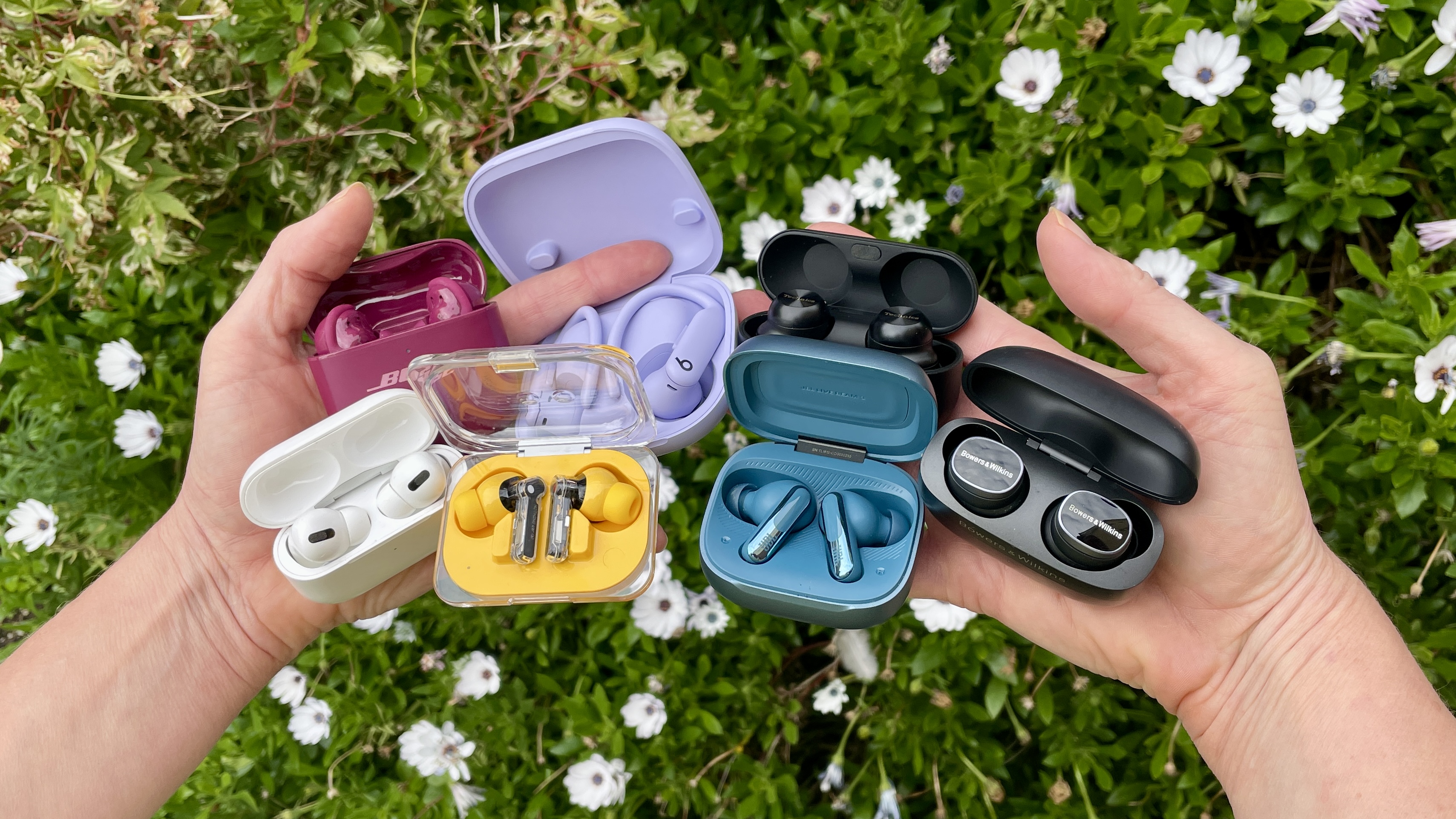
In-ear earbuds fit inside your ear canal. They seal out noise passively and often include active cancellation. Earbuds are small and easy to carry. Perfect for commuting or exercising. Some models provide good noise cancellation despite their size.
Noise-Cancelling Speakers
Noise-cancelling speakers reduce sound in a room. They use advanced tech to cancel noise waves. These speakers help create calm environments at home or office. They do not require wearing anything. Great for people who prefer open listening without headphones.
Choosing The Best Noise Cancelling Gear
Choosing the best noise-cancelling gear can improve your listening experience greatly. Picking the right device depends on a few key factors. These include comfort, battery life, and price. Each factor affects how well the gear suits your daily needs. Knowing what to check helps you avoid poor choices. This guide breaks down the essentials for easy understanding.
Comfort And Fit
Comfort is critical for long use. Ear cushions should feel soft and gentle. Headbands need to be light and adjustable. Poor fit causes pain or ear fatigue fast. Over-ear designs often block noise better. On-ear models are lighter but may let sound in. Try different styles before buying. The right fit keeps you relaxed and focused.
Battery Life And Performance
Battery life impacts how long you can use the gear. A longer battery means fewer charges during travel or work. Many models offer 20 hours or more. Check how fast the battery recharges, too. Noise cancellation strength varies by device. Some block almost all background noise. Others reduce it partially. Choose one that matches your environment and usage.
Price Vs Quality
Price often reflects quality, but not always. High-end gear usually offers better sound and noise blocking. Budget options may lack features or comfort. Set a spending limit before shopping. Look for trusted brands with good reviews. Sometimes mid-range devices give the best value. Balance what you pay with how well it performs. This saves money and avoids buyer regret.

Credit: www.goodhousekeeping.com
Tips To Maximise Noise Cancellation
Good noise cancellation improves your listening experience. It blocks unwanted sounds and lets you enjoy clear audio. Small changes can boost its power. Simple steps help you get the most from your noise-cancelling headphones.
Proper Seal And Fit
Noise cancellation works best with a tight seal. Choose ear tips that fit your ears well. Try different sizes to find the right one. A loose fit lets sound leak in. Adjust the headband for comfort and pressure. A proper fit keeps noise out and sound in.
Adjusting Settings
Many headphones have settings for noise cancellation levels. Experiment with these to find what suits you. Some models offer modes for different environments. Use high noise cancellation in loud places. Lower it in quiet areas to save battery life. Customising settings improves your comfort and sound quality.
Environmental Factors
Noise cancellation works better in some places than others. It blocks constant sounds like engine noise well. Suddenly, sharp sounds are harder to cancel. Use noise-cancelling headphones in steady noise environments. Avoid very windy areas, as wind noise can disrupt performance. Choosing the right place makes a big difference.
Common Noise Cancellation Myths
Noise cancellation technology has grown popular, but many myths confuse people. These myths can stop you from getting the best experience. Knowing the truth helps you choose the right headphones or earbuds. Let’s clear up common misunderstandings about noise cancellation.
Noise Cancelling Blocks All Sound
Noise cancellation reduces background noise, but it does not block all sounds. It works best on steady sounds like engines or fans. Sudden noises, like people talking or doors slamming, may still be heard. Some sounds are too complex for noise cancellation to remove completely.
Higher Price Means Better Quality
Expensive headphones do not always mean better noise cancellation. Price can reflect brand, design, or extra features. Some budget models offer good noise cancellation performance. Focus on reviews and technology, not just the price tag.
Noise Cancellation Harms Hearing <p>Noise cancellation itself does not harm your hearing. It lowers background noise, so you can listen at lower volumes. Listening to loud music for long periods can damage hearing, not noise cancellation. Using noise cancellation properly helps protect your ears.
Frequently Asked Questions
What Is Good Noise Cancellation In Headphones?
Good noise cancellation blocks outside sounds clearly for better listening.
How Does Active Noise Cancellation Work?
It uses microphones and sound waves to cancel unwanted noise.
Are Noise-Cancelling Headphones Better For Travel?
Yes, they reduce airplane and street noise for a calm trip.
Can Noise Cancellation Improve Focus and Productivity?
Yes, less noise helps concentration and reduces distractions at work.
Do Noise-cancelling Headphones Affect Sound Quality?
Quality may vary, but good models keep sound clear and natural.
Conclusion
Good noise cancellation helps you focus and enjoy sound clearly. It blocks unwanted noise and creates a peaceful space. Choosing the right headphones or earbuds matters a lot. Think about where you will use them most. Comfort and battery life also play key roles.
With good noise cancellation, your listening experience improves greatly. It makes travel, work, and relaxation much better. Quiet moments become easier to find. Invest time in finding what suits you best. Sound clarity and peace go hand in hand. Quiet can be your new normal.


